®
® 


 ®
® 






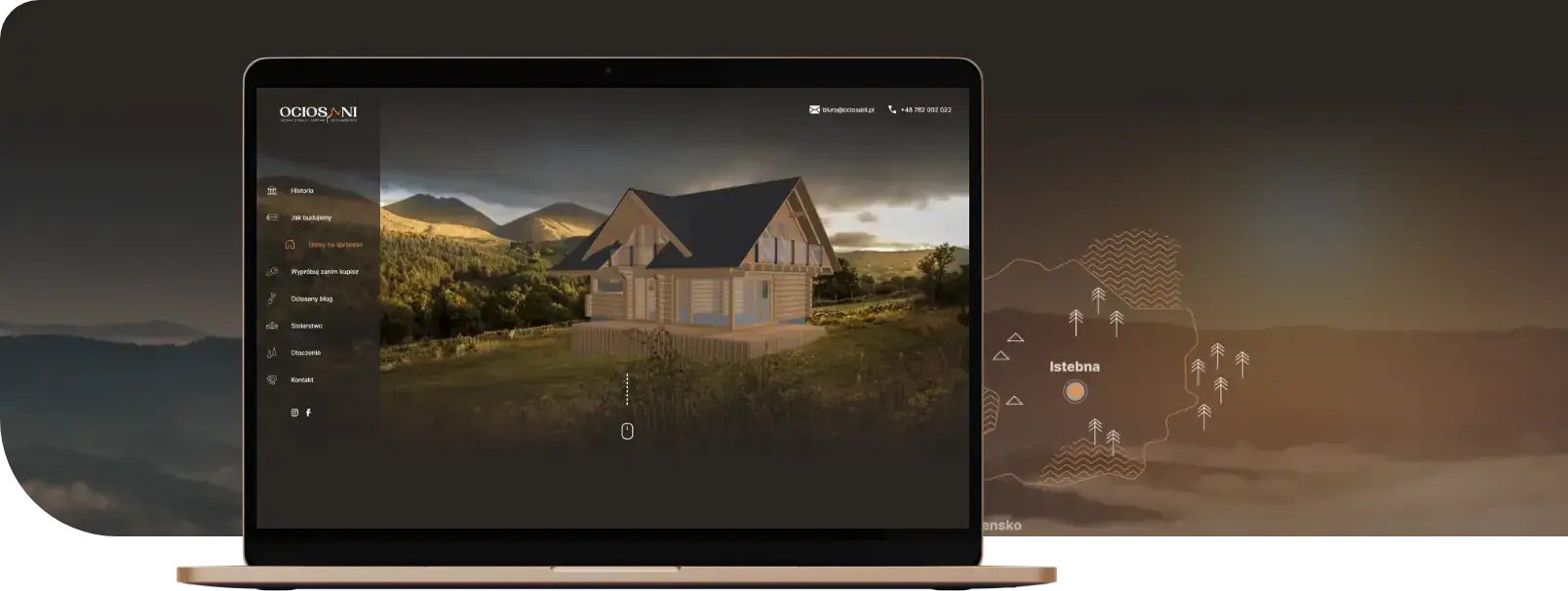
A landing page is the first thing visitors see on your website. A well-crafted landing page can help you increase your conversion rate and lower advertising costs, as well as build a community of loyal customers.
What is a landing page?
A landing page is a web page designed to get visitors to take a specific action.
This can be anything from signing up for a newsletter to purchasing a product or downloading an ebook. The goal of a landing page is to accomplish this task by connecting with visitors and providing an informative, engaging environment.
Landing pages are often used as part of marketing campaigns because they help businesses communicate valuable information about their products without being distracted by other content on the site (such as blog posts, videos, and social media feeds).
Why do you need a landing page?
A landing page is a specific type of web page that you create to promote a product or service. They are typically created as standalone pages within your website, so they don’t need to have an obvious connection to the rest of the site (unless you want them to).
A landing page is often used when someone has already been directed to it by another form of online marketing, such as Google or Facebook ads. This is called “conversion rate optimization” and means that instead of simply directing traffic to your homepage and hoping for some kind of conversion, you direct people directly to a specific goal — like getting them to sign up for your email list or make a purchase.
How does a landing page affect conversions?
A landing page is a web page that appears immediately after clicking on an ad and arriving at the destination page. Landing pages are often used when promoting a product or service online because they give potential customers a chance to interact with your brand before making a purchase. For example, if you’re running an ad for your new clothing line, landing pages are ideal because they allow visitors to browse different items without leaving the page.
Conversions refer to how many people clicked on the ad compared to how many times it was shown. Advertisers track this information to know which keywords bring high-quality traffic and which don’t work as well (i.e., those who aren’t interested in their products). The conversion rate refers specifically to those conversions — for example: if 3 out of 100 visitors clicked on our ad, our conversion rate would be 3%.
Headline
You should have a clear and concise headline that showcases the benefit you provide to your customer. The headline should be bold and no longer than 5 words. Your headline is the most important part of any landing page, so make sure you give it plenty of attention before moving on to anything else!
Call To Action
The call to action is the most important part of your landing page. It should be clear and concise, and it should be obvious what the user should do. It must also be easy for them to find and understand what to do when they get there.
Product in a nutshell
A product in a nutshell is an easy way to understand what your company does, why it’s better than the competition, and how it works. It explains what makes your product unique and why customers should buy from you.
The best landing page will have a clear call-to-action that asks visitors to start a free trial or purchase the product.
It’s important to keep this section short. If you go on too long about what your company does, people will get bored and move on to other pages before they stumble upon something interesting, i.e., a signup form or pricing information.
Landing Page Design
A landing page is a single web page designed to capture and convert leads. A really good landing page can help you gain more customers, build brand awareness, and increase conversions.
Creating a website is a process. Before you get to work, decide whether you want to use a template or create something completely from scratch.
- Using a template — Landing pages are often created from templates that already exist. These templates provide all the basic elements needed to create a functional and attractive landing page. You can use entire templates or modify them to better suit your needs.
- Starting from scratch — You can also start from scratch without a template at all, designing every aspect yourself from the ground up using Photoshop or another graphic editing program (or even just pen and paper).
Landing Page Color Scheme
- Use colors that are easy on the eyes. This is pretty obvious, but avoid using overly bright or dark colors on your landing pages. You want to keep it simple, so don’t go overboard when choosing colors for your landing page.
- Don’t use similar colors. If you’re going for an overall color scheme, try not to use four or five different shades of blue — it can look tacky and unprofessional. Instead, pick one dominant color and then add accents in other shades (e.g., red).
Having a landing page can be helpful for your business.
Having a landing page can be helpful for your business. You can use it to drive traffic back to your website or blog, collect emails, and even generate leads.
If you’re looking for ways to get more traffic without resorting to paid ads (like Google Ads), a landing page is one of the best places to start.
Summary
We hope this article has given you a good understanding of what a landing page is and how it can help your business. The main takeaway from this article should be that having a landing page for your business is extremely important. If you don’t have your own landing page yet, check out our offer.