®
® 


 ®
® 





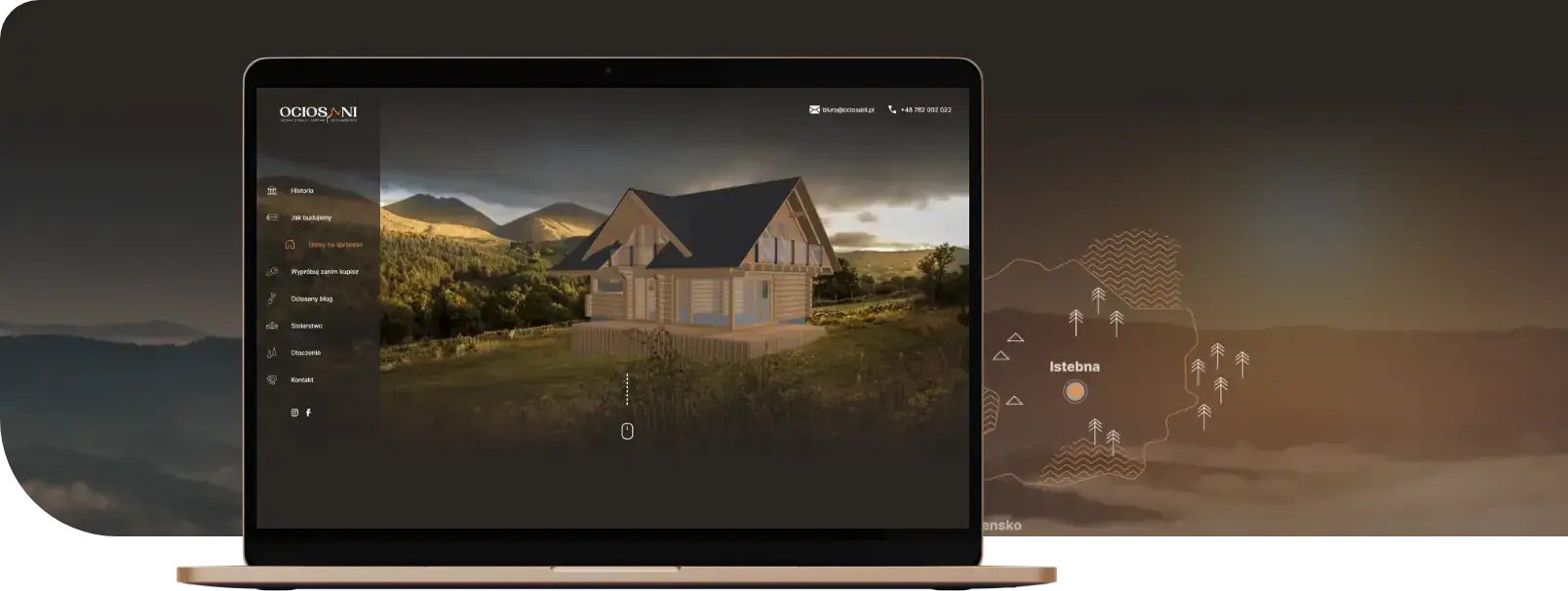
Web design is much more than just a way to put your products and services online. Your website is an opportunity for you to stand out from the competition, build brand awareness, and drive new business. So how can you do this? Below we present three proven ways to not only create a website but also use web design to make it an effective tool for acquiring customers online!
Web Design – Stand Out Online with These 3 Proven Methods
Web design is a way to stand out from the competition. It’s also a great way to create a website that reflects your brand’s personality, making it more memorable and engaging for visitors.
- Use web design to create an SEO-friendly website design. You want people to find your site when searching online, so make sure it’s optimized for search engines like Google, Bing, and Yahoo! By incorporating keywords into the text of each page, including meta descriptions that describe each page accurately (but briefly), using proper links on every page (not just at the bottom), and having good meta titles/descriptions on each page as well as alt tags on every image used within them.
- Web design can make your site responsive across all devices – both desktop and mobile! Currently, over 85% of web traffic occurs on mobile devices. Make sure users can browse your site’s content regardless of which device they’re using. A user’s first contact with a brand happens precisely through mobile devices.
1. Use web design to create a site that reflects your brand’s personality
The first thing to do is define your brand’s personality. This is the image you want to present to potential customers and clients, so it’s important that it reflects the type of business you are. You want people who visit your site to feel they’re dealing with a professional, trustworthy company or person.
A good website is one that tells the brand’s story at first glance. It’s created as a result of competitive analysis, the brand’s identity, its vision, and what it wants to communicate to the world. We call this entire process web design. Based on such a planned concept for brand visualization, the colors, typography, and visual representation of the portal should be adjusted to reflect the brand’s character. For example – bright colors add professionalism to a brand. Using white space, providing plenty of free space, and gentle corner rounding combined with professional content focuses the user on content consumption. Such sites have a significantly higher content interaction rate. Applying this mechanism allows professional brands or those based on complex B2B services to deliver content and increase the audience’s focus on absorbing it.
2. Optimize your site for SEO
SEO is a great way to get your site noticed by Google and other search engines, which means it’s essential in online marketing. Having an optimized website will help increase traffic, sales, and position your site higher in search engines like Google. In the early stages of having a website, it’s very important to drive traffic to it. This can be achieved through social media promotion, paid advertising, or SEO. However, SEO results are visible in the long-term perspective. A website should be based on an optimized structure adapted to search engine requirements. It should be fast, responsive, and equipped with mechanisms that transmit basic parameters to search engines that affect its ranking online. Many elements can be designed at the initial stage. Web design is not just about arranging elements and coloring them. It’s a comprehensive process aimed at creating a design tailored to brand requirements, industry characteristics, and optimized for conducting marketing and SEO activities. Good SEO gives the ability to optimize marketing expenses in the long run. Paid activities such as Google Ads or social media promotion is a costly process that can be improved through consistently building organic brand exposure. With a bit of effort each month, the site climbs higher and is better perceived in free search results, thereby allowing for reduced advertising expenses.
3. Make your site responsive across all devices
You have a great website, but how do you make it look good on all devices? Web design also means optimizing it for presentation on mobile devices! Responsive web design uses media queries to change the page layout depending on the device it’s being viewed on. This way you can show different content depending on whether someone is using a desktop computer or a mobile phone.
Using responsive web design has become a necessity in recent years! One of the fundamental elements affecting how a site is perceived by users and ranking algorithms is the ease of content delivery. To ensure comfortable perception, you need to make sure the site looks good on mobile devices. Content should adapt, shift, and scale to fit on a phone screen. The developer should ensure animations are disabled, spacing is improved, and column-based content design is avoided. This makes it possible to configure the view to maximize the available screen width.
Use web design to establish your presence online!
Web design is a powerful tool that will help you stand out from the competition. You can use it to create a site that reflects your brand’s personality, make it SEO-friendly, and responsive across all devices. By taking these three steps, you’ll be able to reach more customers and improve your bottom line! However, many small businesses are still afraid to use the internet because they don’t know how to design a website or what tools to use. The first step is to create a website that reflects your brand’s personality and makes it easy for visitors to navigate. The second step is making sure the site is SEO-friendly so it shows up in search results. The last step is making your site responsive across all devices so people can enjoy it regardless of what device they’re using! Spec od IT can help with all of this!
If you need help building or maintaining your website, contact us today!
Talk to you soon!